The elephant in the room, but something to consider for those contemplating overseas relocation. The lack of available and affordable housing for Spanish natives has been a real concern for years. In 2025, the effects are being noted from afar. Cultura explores the state of the Spanish housing shortage, the impact of rental and foreign property purchasing, and the radical steps being taken by the Spanish government to address these issues.
Over the last decade there has been a steadily increasing media trend of covering protests by frustrated Spanish locals and calls in the streets for tourists to go home. Vocal anti-tourist sentiment is by no means obvious in all areas, although these scenes are reflecting the genuine and widely held concerns of citizens. So, what’s the core issue—seasonal tourism and holiday rental demand, overseas purchasing of Spanish real estate and squeezing Spanish citizens out of the market, or other internal factors?
TOURISM AND THE WIDER SPANISH ECONOMY
Foreign spending is up, not least because of the relative financial buoyancy (and affluence) of certain northern European countries. Two thirds of hotel guests in Spain are from overseas. And the high season is getting longer: year on year, the tourist industry is seeing escalating revenue in May and October.
All this means for Spanish natives, particularly those in certain age groups and municipalities, is that life has got a hell of a lot tougher. Housing availability and affordability is a real challenge. Largely (though not entirely), this is down to foreign acquisition of land for development and of property for residency or short-term rental. The housing crisis may not be unique to Spain but seems most palpable here. Young adults seeking urban living—not necessarily as lifestyle choice but for work availability—are struggling financially. An increasing number of Spanish citizens are spending up to half their income on rent in towns and cities. For many, hope of owning a home is a pipe dream. Since 2010 average house prices have risen by more than 50%, and homelessness is up 24% on 2012 figures according to Reuters.
COASTAL AREAS
Housing shortages and affordability are not exclusive concerns of the major cities like Madrid, Barcelona or Valencia. Many coastal resorts on the mainland and on the Balearic and Canary Islands share these issues. A domino effect invariably follows in neighbouring towns and villages set further back from the coast which were previously less developed for tourism. Torrox Pueblo, a pretty hilltop town near Nerja and Frigiliana, was always cheaper than its neighbours. For a long time, property supply and demand was never problematic here, due to its rural location (a 20-minute bus ride from the beach). This year’s property market figures have indicated up to a 20% increase in Torrox Pueblo; a consequence of property hunters seeking out new areas as coastal resort prices escalate.

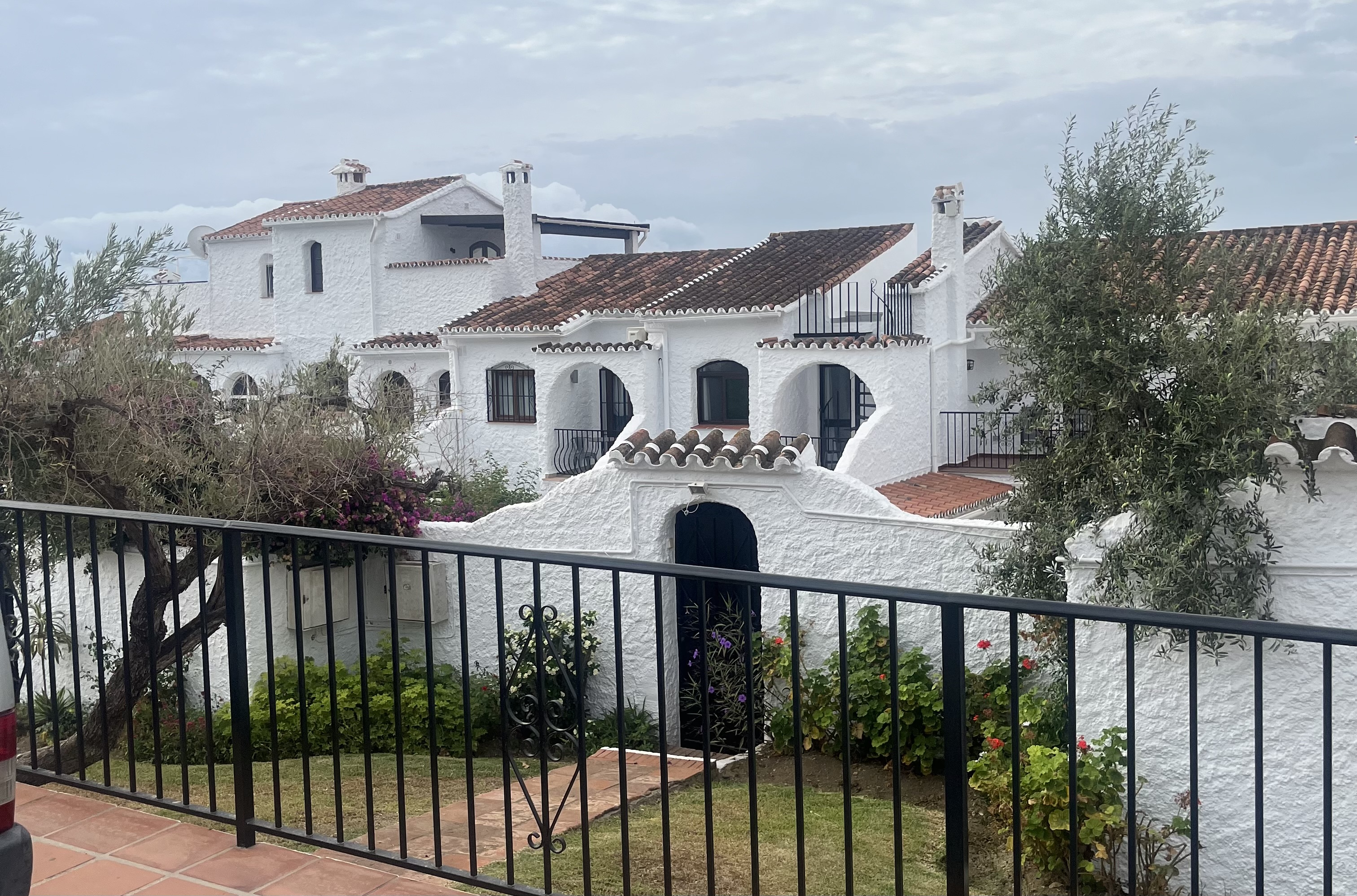
Torrox Pueblo, one of many rural Spanish villages now targeted by outside private property purchasers (image: EM Windle).
INTERNAL FACTORS
There is no escaping the fact that outset interest in Spain, whether for seasonal tourism or longer residency has played a major role in the current housing crisis. In the last few years there has been an exponential rise in property purchases for use as second homes, short term rentals, and permanent relocation. At one point in time, this practice was driven largely by Asian and Russian money. Today, northern Europe and the USA feature in the mix, as do some Spaniards at the wealthier end of the class divide looking for second homes on the coast.
There are also international trade and internal factors influencing the housing shortage. Rising construction material and transport costs have affected other European countries. Internally, criticism has been targeted at inefficiencies in the Spanish governmental system, a lack of long term investment in affordable housing for citizens, and complex building regulations which hamper progress with new low-cost builds. Various semi-autonomous Spanish municipalities have also been called out for failing to protect citizen’s social welfare, by encouraging overtourism for the sake of revenue generation. All the while, property becomes scarcer and more expensive, local wages remain static, and the poverty gap widens as food and utility prices also increase.
ADDRESSING THE HOUSING ISSUE
Relocation, property investment and holidaying on a mass scale will always carry financial and social implications for local populations. For foreign buyers considering purchasing property abroad for second home or relocation, the reality is that number of personal factors will drive the decision to move. I’d imagine detriment to living standards of the indigenous population doesn’t feature highly. Relative freedom of movement between EU countries also creates an additional burden in rental housing demand.
Ultimately though, Spain is in the driving seat. Parliament has acknowledged that more control and regulation is required. Some attempts have already been made to redress the issue, including the construction of new social housing. Short term lets aimed at tourists are a major barrier to the availability of longer-term leasing required by Spanish individuals and families. Barcelona hasn’t issued new tourist licences for 10 years. The city has now made clear its intention to curb Airbnb and other lets, with a plan to get rid of all its 10,000 short term private apartment rentals by 2028. In May 2025, a Madrid court ruled that Airbnb should immediately remove almost 5,000 apartments from its listing on the basis that listings did not comply with requirements relating to operating licence status. Other instructions from central government have included increasing tourist taxes and rent caps, although individual municipalities have varied in their compliance or pace of introduction of these measures.

Nerja (image: EM Windle).
FOREIGN BUYER PROPERTY TAX PROPOSALS
For non-EU buyers of Spanish homes, the big whammy is a proposed change to property tax. At present, the baseline runs at between 7% and 20% depending on the municipality. In early 2025, PM Pedro Sanchez indicated that he would be pushing a bill for a new radical property tax applicable to non-EU buyers. There has been some ambiguity over the proposed tax—that is, whether the intention of a 100% levy infers a doubling of the base property tax value, or a doubling of the actual property value. The latter would surely stop potential non-EU buyers in their tracks. Either way, Sanchez intends to enforce tax rises across the board.
There has been much political and legal debate surrounding the proposal for tax rises. There may also be some caveats or workarounds which could reduce or eliminate liability for the new tax (if it came into force), including the purchase of ‘second-hand’ properties: basically buying a new build directly from a Spanish developer or through a Spanish property investment company. At the time of writing the tax proposal still has to proceed through Parliament. Even if approved, it could be subject to a legal challenge in the European courts. More on that as the situation evolves.
Join the discussion here