Exploring an origin story of R&B and soul music in Nashville, and how local DJs and the media helped drive it to a national audience.
Music historians will argue over the exact origins of the music industry in Nashville, although any stance depends on the genre under debate, and how far back one is willing to go. The predominance of country music is undeniable, with its roots planted in Celtic and European folk songs and instruments brought to the US by early immigrants.
In the 1920s, Nashville’s first radio station WSM cemented the city’s country music status with Grand Ole Opry broadcasts of mountain songs and hillbilly music. These styles would later contribute to what is now known as the ‘third’ generation of country music in the 1950s and 1960s, showcased by the bluegrass of Roy Acuff and associated artists on the Grand Ole Opry stage. Since then, country music has never really looked back.
MUSIC CITY
But although country music has made Nashville what it is today, the African American influence on musical growth in the city cannot be ignored. Fisk University was a missionary initiative formed to provide education for emancipated African Americans following the Civil War. In 1871, the Fisk Jubilee Singers took their spiritual songs on a fund raising tour in the name of the university, touring the US and Europe, gaining endorsement from European royalty and helping kick start Nashville’s reputation as a centre for the musical arts. Over the last hundred years Music City has remained an entertainment centre and a rich source of talented musicians and songwriters, recording studios, music publishing houses and shrewd businessmen wanting to get a piece of the action.
Country music and R&B were both heading toward their peak as a national phenomenon around the late 1950s and 1960s, and should have been in direct competition with each other within Nashville itself. As things turned out, country overshadowed soul music in terms of local commercial success. Demographics and racial suppression were likely contributing factors; the Black community was still firmly in the shackles of Jim Crow law. African American business and entertainment communities confined themselves to a couple of specific (though vibrant) areas within the city. Music Row was the white man’s domain. RCA and other major labels saw the opportunity to exploit country music and almost overnight established offices, staff writers and recording studios in Nashville. Other than a couple of notable exceptions such as Excello and Sound Stage 7, independent soul music label operations were dwarfed by the activities of the majors.
FOURTH AVENUE NORTH AND JEFFERSON STREET
That said, talent within the Black community was no less abundant, whether for live performances, recorded song, musicianship or industry-related entrepreneurship. Nashville was a central location: an ideal stopping point for R&B and soul artists from the rural areas of the south and the major cities of the north as they worked the chitlin’ circuit. Many of these performers were more than mere passing trade – national names such James Brown, Etta James, Ray Charles, Sam Cooke, major gospel groups and blues guitarists frequently graced the show and dance venues.
The thriving, if segregated, African American community in Nashville also provided its own home-grown talent. The Bijou Theater along Fourth Avenue North was opened in 1916 by its white owners to showcase blues, jazz and entertainment by black performers. Four decades later R&B took hold along Fourth Avenue North, and on Jefferson Street in the bars, diners and nightclubs where local musicians and visiting artists would earn their keep. These individuals and combos performed at club venues, worked on recording sessions for other artists as well as bands in their own right, and frequently appeared on R&B related music and dance TV shows. As well as local artists, Nashville labels featuring R&B would include artists from other areas of Tennessee, Louisiana, Florida and later the cities of the north. Even blue eyed soul was represented via the activities of singers, songwriters and producers who ventured more than occasionally from their country music roots.
PROMOTING BLACK MUSIC – WSOK AND WLAC
Both radio and TV were primary driving forces for the evolution of and access to soul music in Nashville. WSOK, launched on 14th December 1951, became the first full time radio station to feature an all-Black staff roster catering for local African Americans. The station was a short range daytime affair, specifically targeting the Berry Hill area. Morgan ‘Happy Jack’ Babb was the WSOK’s DJ responsible for airing early R&B in among the local news bulletins, commercials and emergency aid calls. Other DJs included Ted Jarrett, who presented the WSOK Talent Show on Saturday mornings, broadcast live from the Bijou Theater, where performers were selected from local auditions to sing in front of a house band. The call-letters changed to WVOL when the station was sold on, but it continued on course with its original service focus.
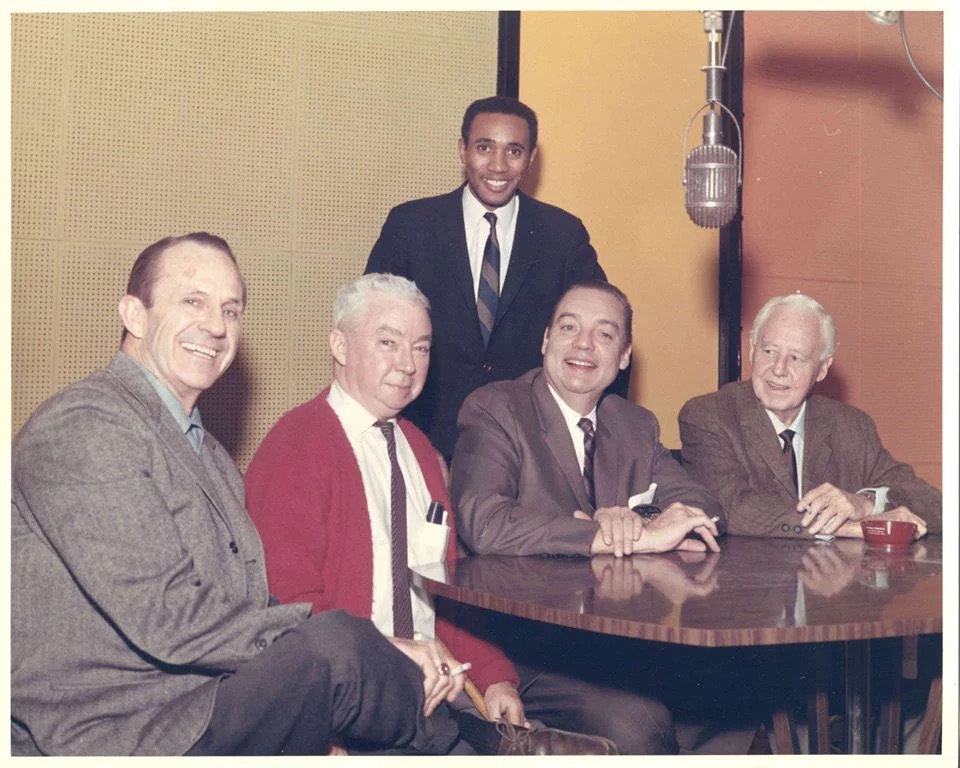
WLAC (‘W-Life and Casualty’) was without a doubt one of the most influential radio stations in the US to broadcast and popularise R&B. It has a long history, stretching back to 1926 when the studio was based in the office building of Life and Casualty Insurance Company of Tennessee, in downtown Nashville. WLAC’s initial focus on community news expanded to other activities when WSM, a primary competitor, was gaining popularity through broadcasting country music. By the 1940s WLAC had a 50,000 wattage broadcasting capability, enabling twenty-eight states to receive a signal; even reaching parts of Canada and the tip of Southern Florida.
By the 1950s, the intention of WLAC was to serve the relatively untapped market across the major cities of the US and the deep south. Gene Nobles was the first WLAC DJ to cater musically for this market, by programming blues and jazz recordings. The intention was to target a Black audience and attract companies to advertise products such as hair products and even animal stock to this particular community.
INFLUENCING A GENERATION
As “race music” became Rhythm & Blues, WLAC DJs John Richbourg and Bill Allen would run their respective night-time shows when the broadcasting signal was strongest. Fast talking ‘hip’ voice-overs were employed to promote sponsors’ products and to introduce the records. The station played a major part in providing white southern teenagers with wide access to R&B. In time, WLAC became a key element in the development of the beach music scene in the Carolinas and Virginia.
“That’s how I got my musical education,” reminisces Ken Adkins, guitarist of the North Carolina 60s soul band The Tropics. “WLAC had a strong signal, and music that we couldn’t easily access elsewhere. From the age of ten until I went to college, WLAC came on at 10pm and ran through until 3pm. I had a big Zenith floor model radio with a twelve inch speaker in my room, well away from other family members. I stayed up and listened …and listened …and listened….”
Join the discussion here